



Master Scissor Skills Safely & Joyfully
A 60-piece interactive cutting practice kit designed to develop fine motor skills, boost hand-eye coordination, and spark early creativity in toddlers aged 2+.
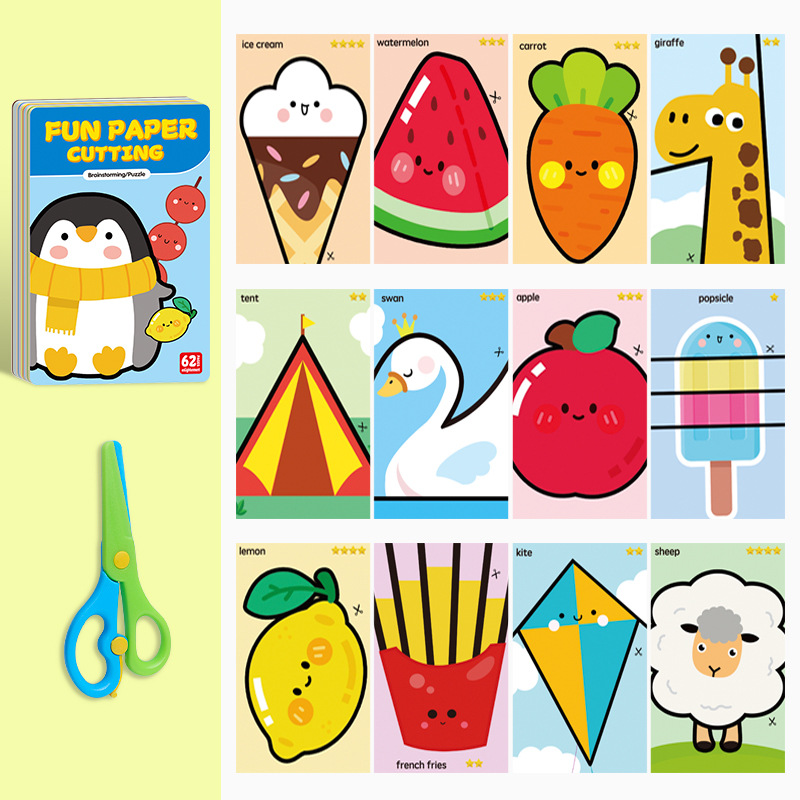
Why Toddlers Love Our Learning Cards
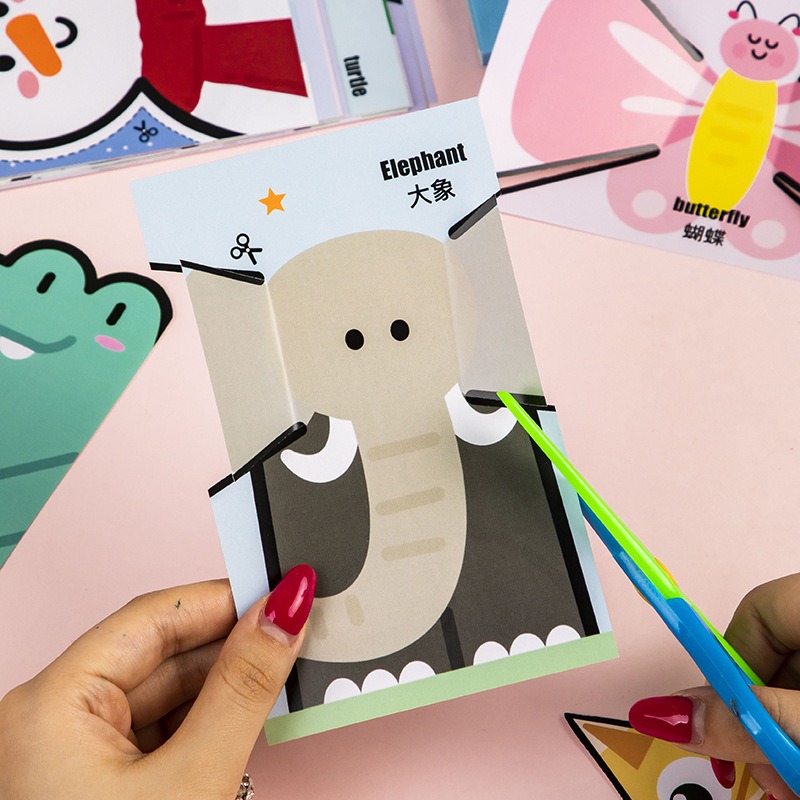
Early Scissor Skills Development
Specially designed for toddlers, these cutting practice cards serve as the perfect introduction to scissor control. As your child carefully navigates the patterns, they are actively building critical hand-eye coordination and fine motor skills essential for handwriting later on.
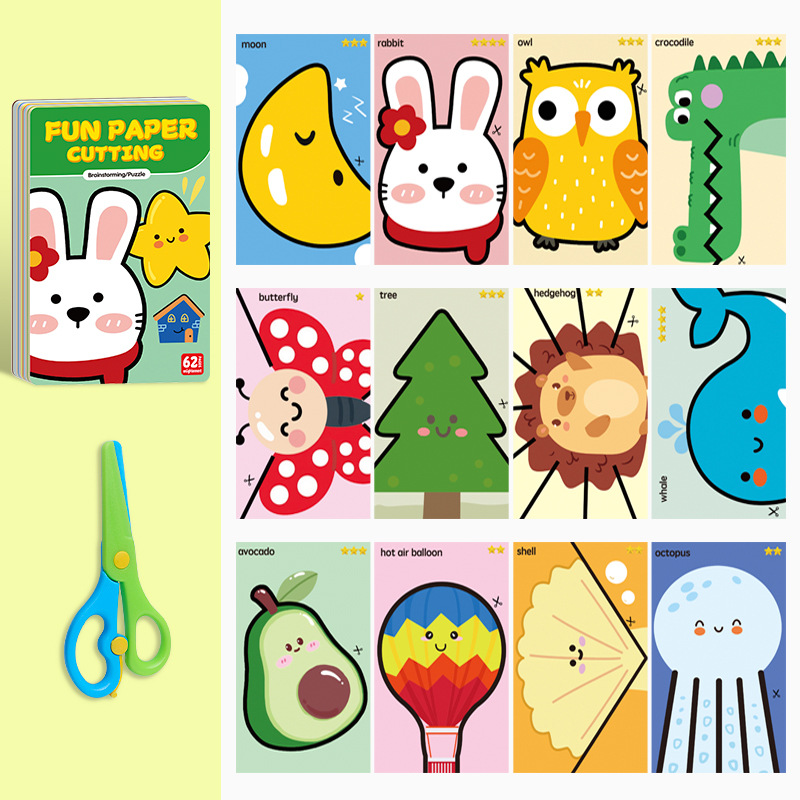
60 Fun & Educational Themes
Boredom is not an option! The kit includes 60 vibrantly colored cutting sheets featuring adorable animals, tasty fruits, and everyday objects. By following the progressive printed cutting lines step-by-step, children experience a rewarding sense of accomplishment with every successful cut.
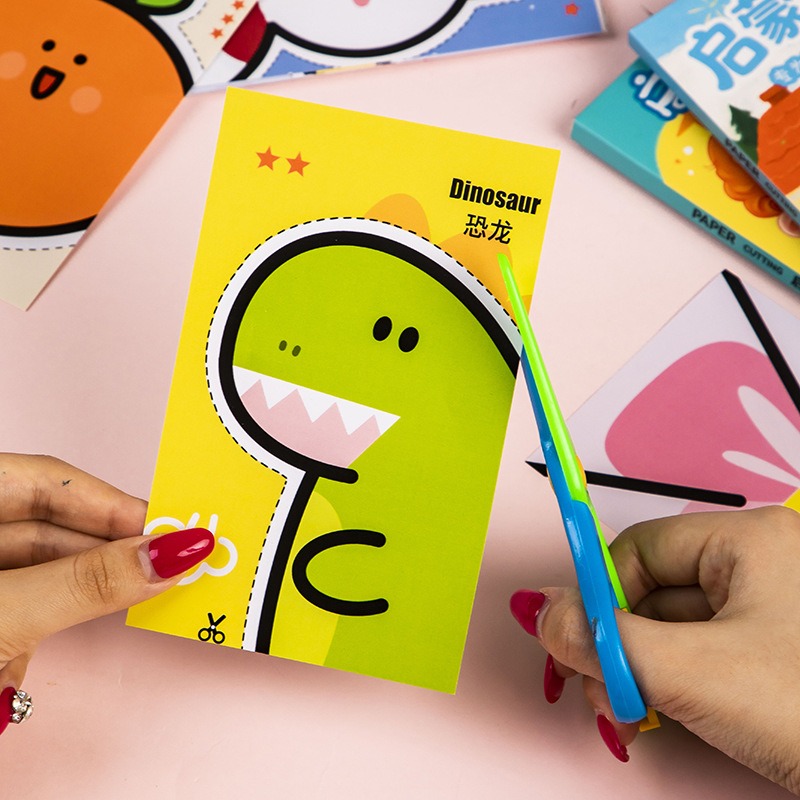
Safe & Easy Learning Activity
Safety comes first. The cards feature clear, beginner-friendly guides perfect for use with toddler-safe training scissors. Whether used for home learning, preschool activities, or Montessori-style education, this kit provides a worry-free environment for independent exploration.
Product Specifications
| Feature | Details |
|---|---|
| Age Recommendation | 2 Years and Up (Adult supervision recommended for beginners) |
| Package Contents | 60 x Themed Cutting Practice Cards |
| Card Dimensions | 14.0 x 14.0 cm (5.5 x 5.5 in) per card |
| Item Weight | Approx. 150 g (5.3 oz) |
| Material Quality | Premium thick paper printed with non-toxic, eco-friendly soy-based inks |
Frequently Asked Questions
This set specifically includes the 60 high-quality cutting practice cards. Safety scissors are not included, allowing you to pair these cards with the training scissors your child is already comfortable using.
Yes! We carefully selected a paper thickness that provides enough rigidity to prevent tearing easily when held by small hands, yet is effortless to cut through with standard plastic or blunt-tip safety scissors.
The cards feature progressive difficulty. They start with simple, short straight lines and gradually progress to waves, zigzags, and eventually complex shapes. This ensures your child learns at a comfortable pace without frustration.